Virtual Casino Layouts: Tracing User Flows from Main Pages to No-Cost Blackjack Simulations
Rafael Zimmermann · Sep 18, 2026
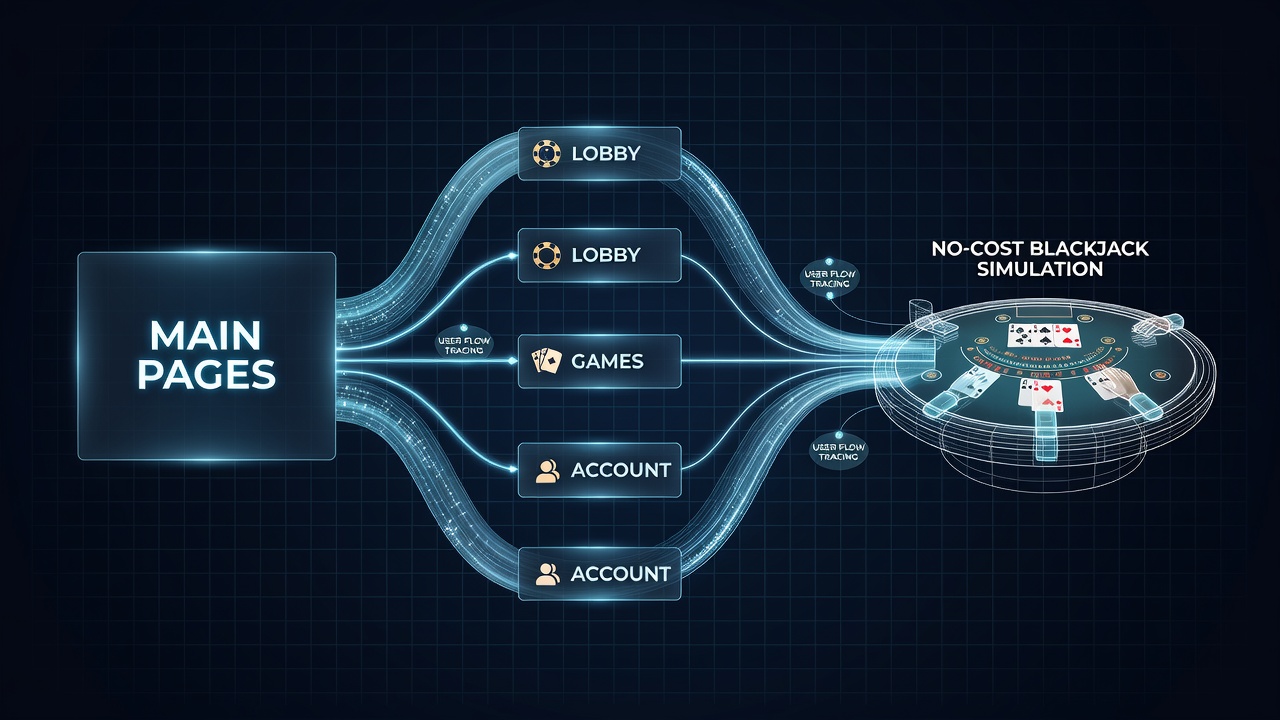
Virtual Casino Layouts: Tracing User Flows from Main Pages to No-Cost Blackjack Simulations
Virtual casino platforms organize their main pages around clear visual hierarchies that direct visitors through structured pathways, and these designs incorporate prominent banners alongside categorized game sections that highlight simulation options without requiring deposits or registrations in many cases. Observers note how homepage elements such as menu bars, search functions, and featured tiles create initial entry points, while data from industry reports indicate that effective layouts reduce click counts to reach demo areas by streamlining categories like table games or practice modes. Research from academic sources on digital interface patterns shows that users encounter progressive disclosure techniques, where initial views present broad overviews before expanding into specific blackjack variants through layered menus or pop-up previews.
Homepage Structures and Initial Navigation Points
Main pages often feature hero sections with calls to action that promote no-cost play, and these integrate with sidebar or footer links pointing toward free simulation hubs, whereas mobile responsive designs adjust layouts dynamically to maintain flow continuity across devices. According to figures from the Nevada Gaming Control Board, platform traffic patterns in 2025 revealed increased engagement with demo features following layout refinements that placed blackjack practice tiles within three clicks of the landing screen. Those who analyze user data find that color contrasts and iconography play roles in guiding attention toward unrestricted access zones, while search bars allow direct queries that bypass general browsing and route straight to simulation interfaces.
Pathway Mapping Through Menu Systems
Menu architectures typically branch into game libraries where blackjack simulations sit under dedicated practice or demo subheadings, and these connect via internal hyperlinks that preserve session data for seamless transitions without reload delays. Studies on browser-based gaming reveal algorithmic routing that detects user location and device type to adjust available options, ensuring compliance with regional rules while still offering no-cost blackjack experiences. What's interesting is how backend logic employs cookies and local storage to remember preferences, allowing returning visitors to resume flows at previous points rather than restarting from the main page each time.
Transition Points to Simulation Environments
From categorized lists or featured grids, users move into simulation pages through buttons labeled for instant play or trial modes, and these entry points often include brief loading sequences that initialize virtual tables with standard rulesets. Data indicates that platforms optimize these routes with prefetching techniques to minimize wait times, while September 2026 updates to several browser gaming hubs introduced enhanced tracking for demo session durations as part of broader efficiency improvements. External links sometimes appear in help sections, directing to resources such as reports from the Canadian Gaming Association that detail responsible access practices across virtual environments.
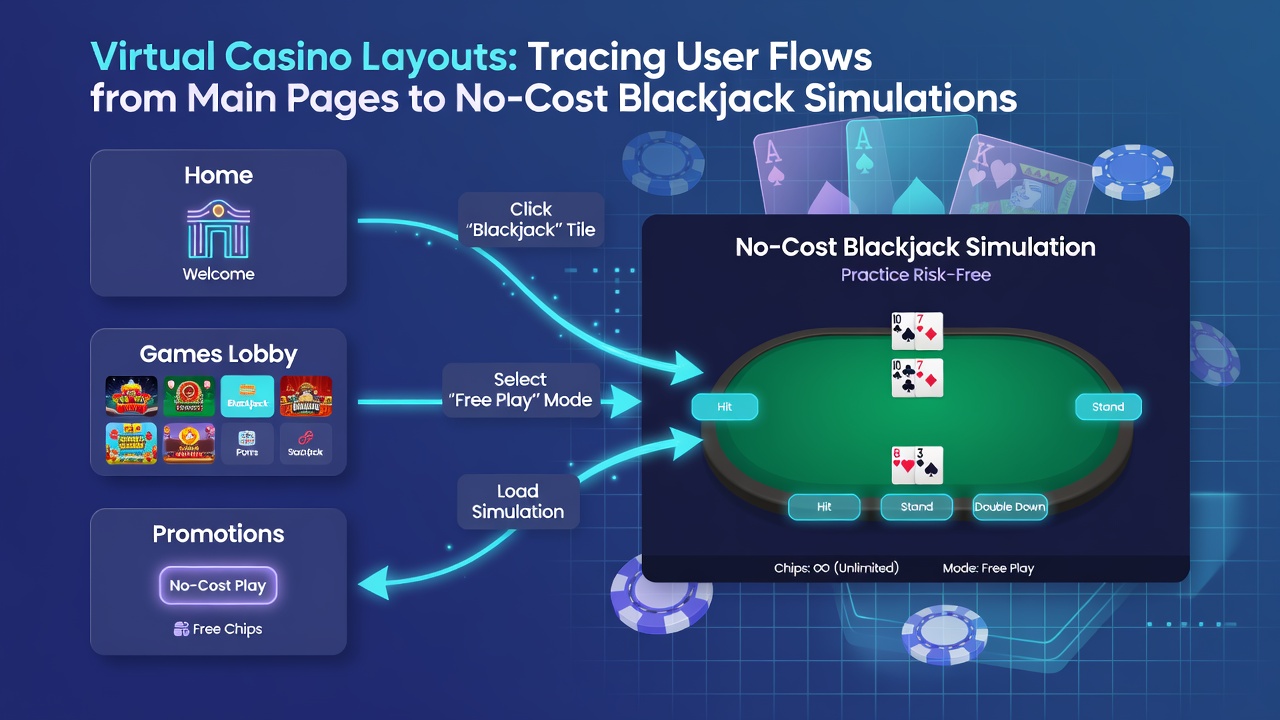
Observers note that once inside simulation modes, interfaces mirror paid versions closely yet restrict real-money elements, creating practice environments that support skill development through repeated hands and strategy adjustments. Research indicates these designs incorporate tutorial overlays that activate on first visits, guiding new users through betting mechanics and payout structures without interrupting core flows. Those who've examined site metrics discover that exit paths from simulations frequently loop back to main lobbies or suggest related table games, maintaining engagement within the platform ecosystem.
Technical Elements Supporting Smooth Flows
Backend systems rely on JavaScript frameworks and API calls to handle dynamic content loading, and these enable real-time updates to game availability while directing traffic toward no-cost blackjack options based on user behavior signals. Industry organizations report that A/B testing of layout variations helps refine button placements and category orders, resulting in measurable increases in simulation starts. External verification comes through academic papers examining digital entertainment interfaces, which highlight how such mechanisms balance accessibility with operational requirements across different jurisdictions.
Conclusion
Virtual casino layouts continue evolving through data-driven refinements that trace and optimize user progressions from entry points to simulation access, and these patterns reflect coordinated efforts among designers, regulators, and platform operators to facilitate clear navigation. Evidence from multiple sources underscores the role of structured pathways in supporting both initial exploration and repeated engagement with no-cost blackjack features, while ongoing developments keep these systems aligned with changing technical and regional standards.