Structural Designs of Casino Landing Pages That Facilitate Rapid Browser Shifts to Free Card Game Trials
Rafael Zimmermann · Oct 16, 2026
Structural Designs of Casino Landing Pages That Facilitate Rapid Browser Shifts to Free Card Game Trials
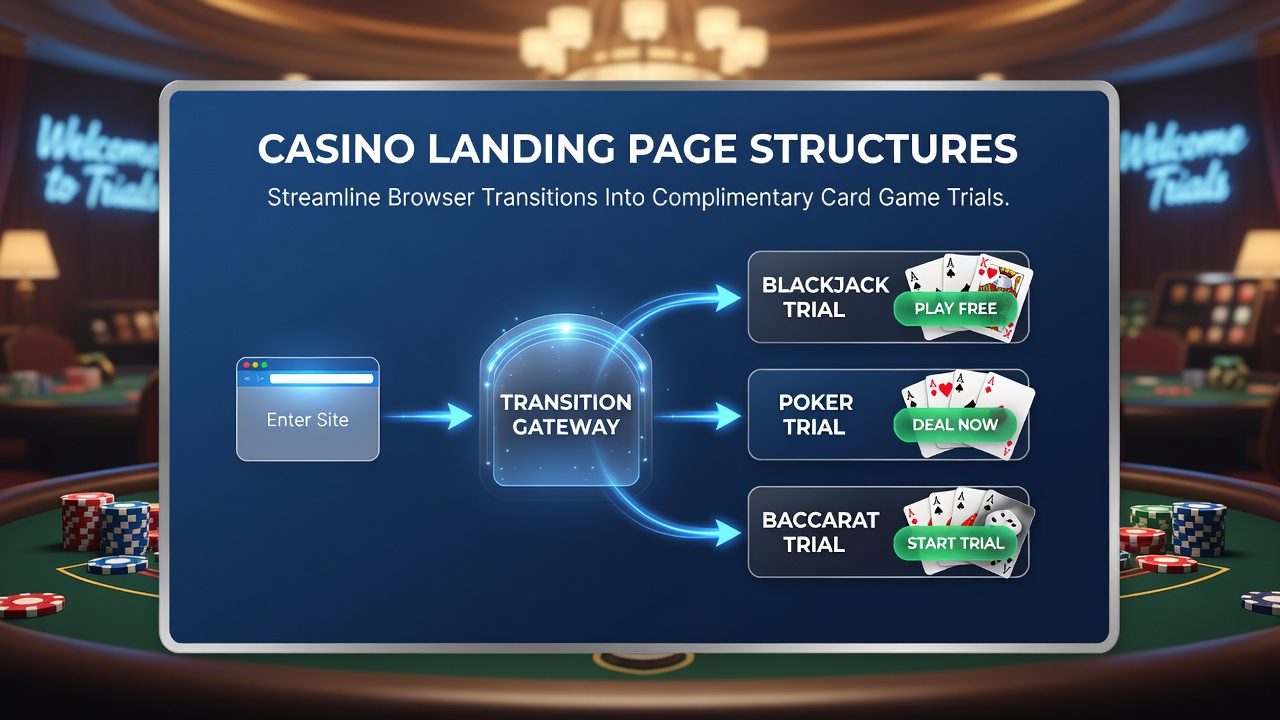
Digital casino platforms employ specific landing page architectures that direct visitors through browser environments toward complimentary card game trials without requiring account creation or downloads, and these structures rely on layered navigation systems combined with optimized routing protocols. Data from industry reports indicate that such designs reduce the average time from initial page load to game access by incorporating prominent call-to-action elements positioned above the fold.
Observers note that homepage grids often feature modular sections dedicated to trial modes, where card game icons link directly to demo environments hosted on the same domain, and this approach minimizes external redirects that can introduce latency. Research indicates that platforms using these configurations see higher engagement rates in free play sections during periods of regulatory expansion, including developments tracked through October 2026 across multiple jurisdictions.
Navigation Frameworks and Their Impact on User Routing
Landing pages utilize hierarchical menu systems that categorize content into free trial pathways, and these menus integrate dropdown lists or tabbed interfaces that highlight card game options while excluding paid sections until users opt in. According to figures from the Canadian Gaming Association, streamlined menus correlate with increased session durations on demo interfaces because they limit decision points and guide traffic through predefined browser transitions.
Buttons styled with contrasting colors and embedded JavaScript triggers initiate seamless shifts to trial modes, whereas background processes handle session initialization in the background without page reloads. Experts have observed that this method supports compatibility across desktop and mobile browsers by detecting device parameters at load time and adjusting asset delivery accordingly.
Visual and Interactive Elements Supporting Direct Access
Designers incorporate hero banners that display animated card game previews alongside text overlays promoting instant trials, and these elements connect to backend scripts that preload necessary game files during the initial page render. Studies from Australian research institutions show that animated previews increase click-through rates to free modes by presenting dynamic representations of gameplay mechanics before any user commitment occurs.
Interactive filters allow visitors to sort trial options by game variant or difficulty level, and each filter selection updates the display through asynchronous calls that maintain browser state without full navigation changes. This setup proves effective in environments where users explore multiple card game types within a single visit.
Backend Logic Behind Transition Efficiency
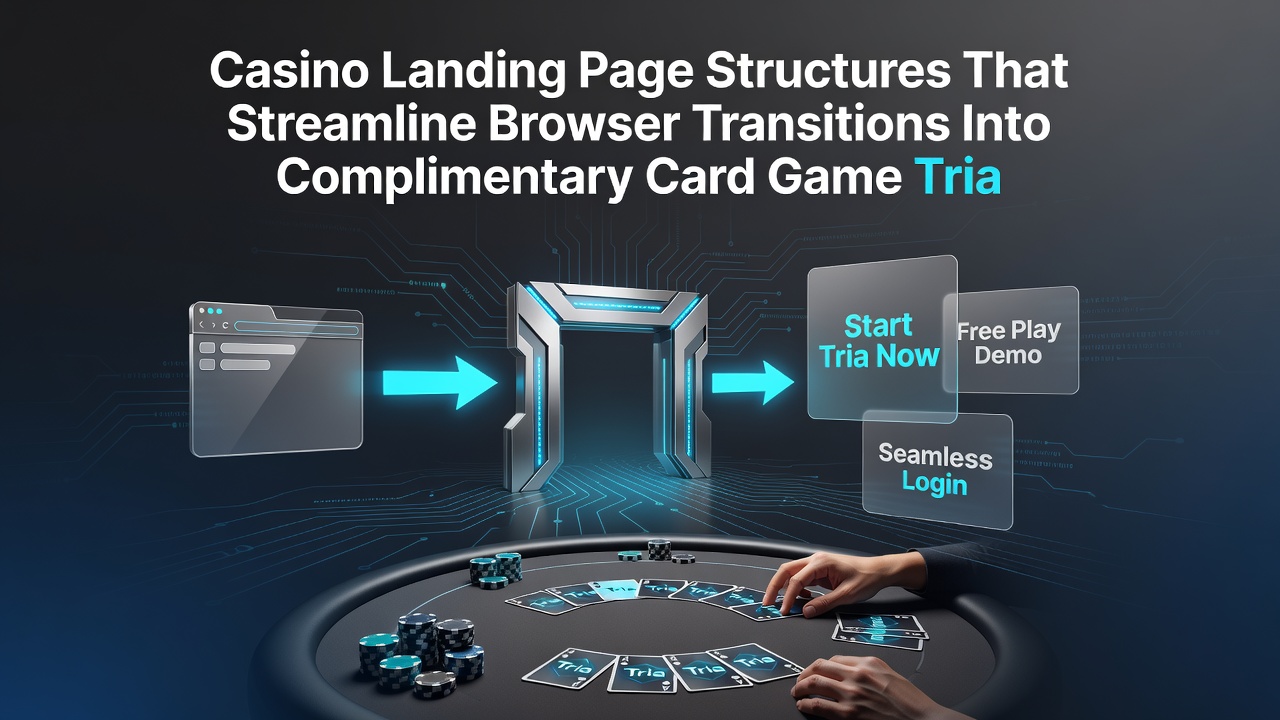
Server-side configurations map user interactions on landing pages to specific endpoints that launch card game trials in isolated browser tabs or iframes, and these mappings rely on API endpoints that verify browser capabilities before delivering content. Reports compiled by the Malta Gaming Authority highlight how such architectures comply with accessibility standards while enabling cross-device continuity for trial sessions initiated in October 2026 and beyond.
Load balancing distributes trial requests across content delivery networks to prevent bottlenecks during peak traffic, whereas caching strategies store static game assets locally in the browser to accelerate subsequent accesses. Those who have analyzed platform performance data find that these techniques maintain consistent transition times even as user volumes fluctuate.
Integration with Regulatory and Platform Updates
Platform operators adjust landing page elements in response to evolving standards, including updates issued in various regions through late 2026, and these adjustments often involve reconfiguring trial entry points to align with new disclosure requirements for free play features. Industry organizations such as the European Gaming and Betting Association have documented how modular page builders allow rapid implementation of these changes without disrupting existing user flows.
Analytics integrations track transition success metrics at each stage of the landing page journey, providing operators with data points that inform iterative refinements to button placement and content hierarchy. This continuous feedback loop supports sustained efficiency in directing users toward complimentary card game experiences.
Conclusion
Landing page structures in digital casinos combine navigation hierarchies, visual prompts, and backend routing to create efficient pathways into free card game trials, and ongoing adaptations through 2026 reflect broader shifts in browser technology and regulatory frameworks. These designs prioritize direct access while maintaining compatibility and compliance across different operational environments.